
Invoice vs. estimate: which document should you send?
An estimate helps a customer understand the expected scope and price before work begins. An invoice requests payment for work, products, or services that have been delivered or are otherwise billable. Using each document at the right time creates a clearer customer experience.
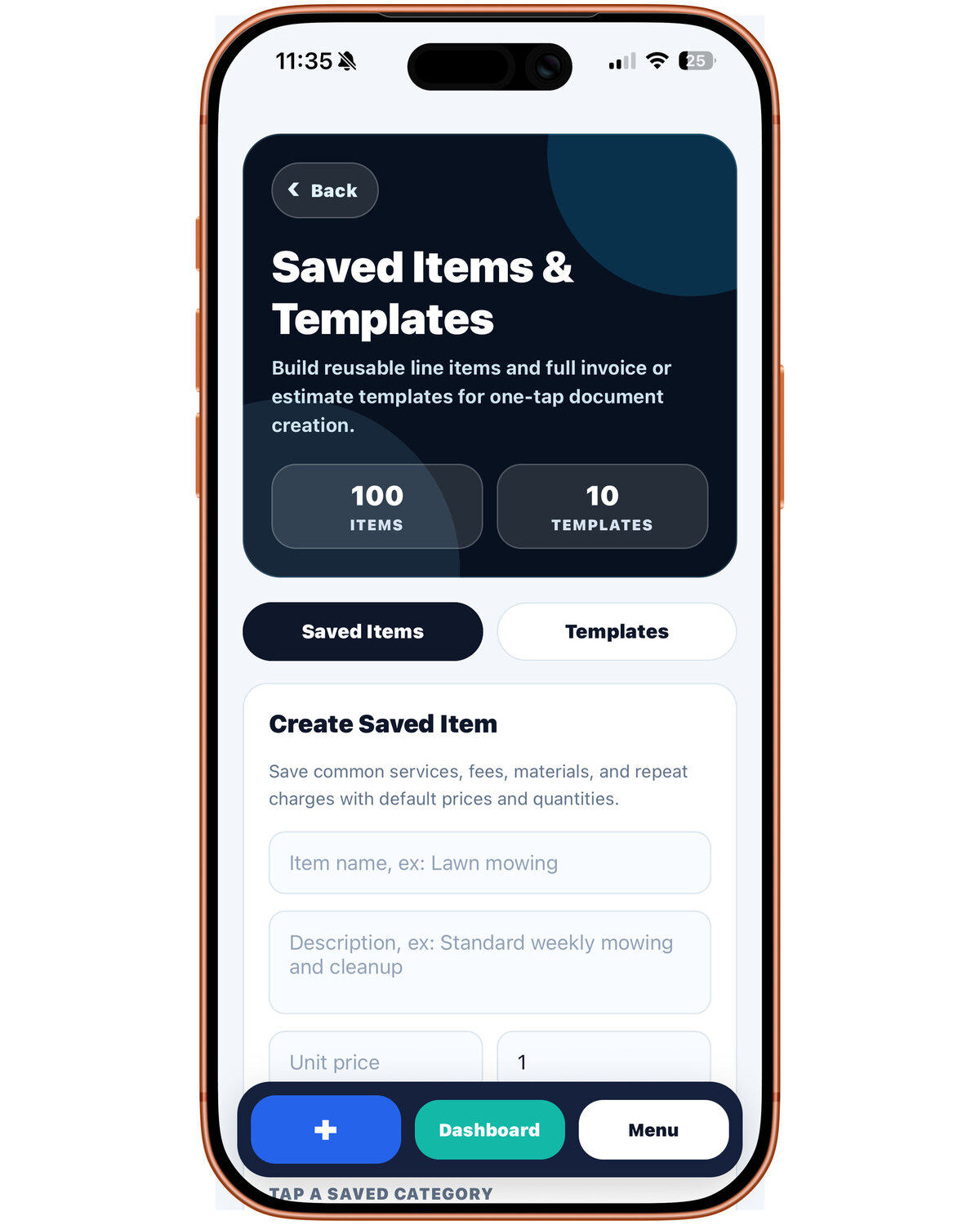
An estimate sets expectations; an invoice asks for payment
Estimate
An estimate describes the expected work, quantities, pricing, timing, and conditions before the final amount is due. It helps the customer decide whether to proceed and gives both sides a reference point for the planned scope.
Send it when: the customer is evaluating the work, price, or proposed services.
Invoice
An invoice is a formal request for payment. It identifies what is being billed, the amount owed, relevant dates, payment terms, and the customer or project connected to the charge.
Send it when: the work is completed, a milestone is reached, a deposit is due, or the agreement says the amount is billable.
Information that makes both documents easier to understand
Clear documents reduce follow-up questions and help customers connect the amount to the work being discussed.
Identity and contact details
Show the business name, customer name, appropriate contact information, and the document number.
Specific line items
Describe labor, products, services, hours, quantities, rates, fees, discounts, and taxes in language the customer recognizes.
Dates and expectations
Include the issue date, expected schedule or expiration date for estimates, and due date or payment terms for invoices.
How estimates become invoices
Discuss the request
Gather the customer’s goals, job location, deliverables, quantities, constraints, and timing.
Send the estimate
Summarize the proposed scope and expected price before starting work or ordering materials.
Record changes
Update the scope when the customer requests additions, quantities change, or new conditions affect the work.
Issue the invoice
Bill for the approved and completed work using the final quantities, prices, credits, taxes, and payment terms.
Do not use an estimate as a payment request
An estimate is usually informational and may change as the scope becomes clearer. An invoice should reflect the actual billable amount and state what the customer owes.
- Label the document clearly as an estimate or invoice.
- Give estimates an expiration date when pricing or availability may change.
- Explain whether taxes, materials, travel, or optional work are included.
- Update the estimate when the scope changes significantly.
- Use the final invoice for the amount the customer is expected to pay.
Important: Contract, tax, licensing, and invoice requirements vary by location and industry. This guide is general business information, not legal or tax advice.
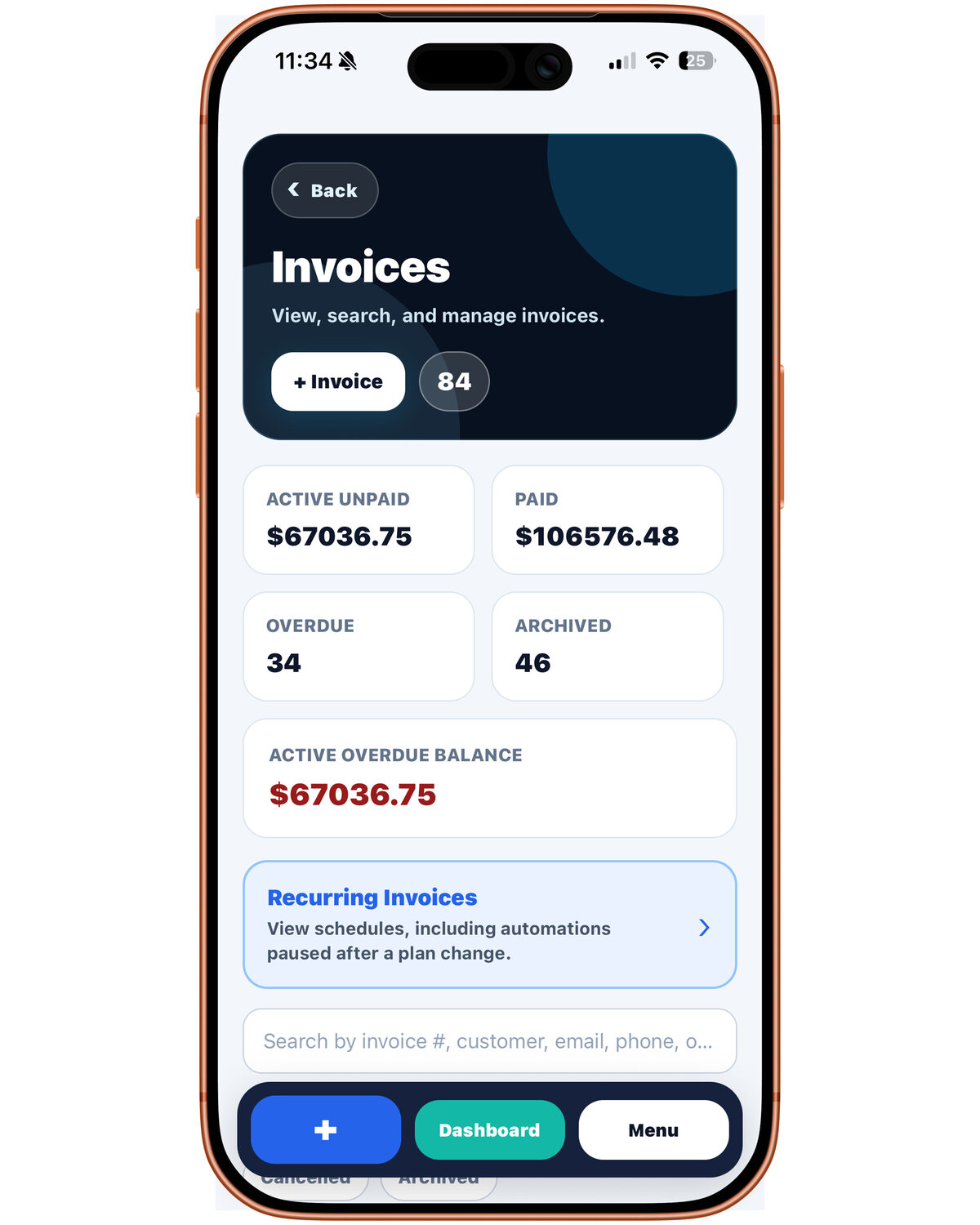
When each document fits
Contractor example
A painter visits a home, measures the rooms, and sends an estimate for labor and materials. After the customer accepts and the work is completed, the painter sends an invoice using the final materials, approved additions, and payment terms.
See contractor invoicing features →Freelancer example
A designer sends an estimate outlining deliverables, milestones, and expected fees. Once a milestone is delivered, the designer issues an invoice for the amount due under the approved project scope.
See freelancer invoicing features →Invoice and estimate questions
Is an estimate the same as a quote?
The terms are sometimes used differently by businesses and industries. An estimate often communicates an expected amount that may change, while a quote may be treated as a more fixed offer. Clearly state the conditions on your document.
Can I request a deposit with an estimate?
A business may explain deposit expectations in an estimate or agreement, but the payment request should be documented clearly. Local laws and industry requirements can affect how deposits must be handled.
Should an estimate have an expiration date?
It can be helpful when labor rates, material costs, availability, or scheduling may change. The date tells the customer how long the proposed pricing and terms are intended to remain valid.
Can an approved estimate be converted into an invoice?
Yes. Reusing approved customer, scope, line-item, and pricing information can reduce errors while allowing final quantities or approved changes to be reflected on the invoice.
Create estimates and invoices in one mobile workflow
Swift Invoice is designed to keep customer details, estimates, invoices, payment status, and job photos organized together.